Mosquito Control in Conroe, TX
Backyard mosquito treatment and barrier spraying for Conroe’s humid summers.
Conroe’s mosquito season runs longer than almost anywhere else in Texas — Lake Conroe, the San Jacinto River bottoms, and a humid subtropical climate rarely let standing water dry up. If you’re getting bitten in your own backyard by mid-morning, or you’ve noticed mosquito activity as early as February, that’s not unusual here — it’s a sign your property needs a targeted reduction plan, not just repellent.
This guide breaks down why Conroe’s mosquito pressure is different from other parts of Texas, which species are actually behind most of the bites in Montgomery County, what actually reduces mosquito populations around a property (versus what just masks the problem for an afternoon), and how professional treatment programs work.
Why Conroe’s Mosquito Season Is Longer Than Most of Texas
Mosquitoes need standing water to breed and warmth to stay active. Conroe hands them both for most of the year:
- Lake Conroe and its coves create miles of shallow, slow-moving shoreline that mimic ideal breeding habitat — and residential runoff often recreates the same conditions in gutters, tarps, and drainage ditches across town.
- Conroe’s clay-heavy soil doesn’t drain quickly after a storm, so puddles in yards, along construction sites, and on undeveloped lots can sit for days at a time.
- Winters here are rarely cold enough for a hard, sustained freeze, so eggs and adult mosquitoes often survive in protected spots year-round instead of the population resetting each winter.
Which Mosquitoes Are Actually Biting You in Montgomery County
Two types account for most of the mosquito activity homeowners deal with locally:
- Culex species (common house mosquitoes) — most active at dusk and after dark, breeding in stagnant water like clogged gutters, forgotten bird baths, and unused pools. Locally, these are the species most associated with West Nile virus.
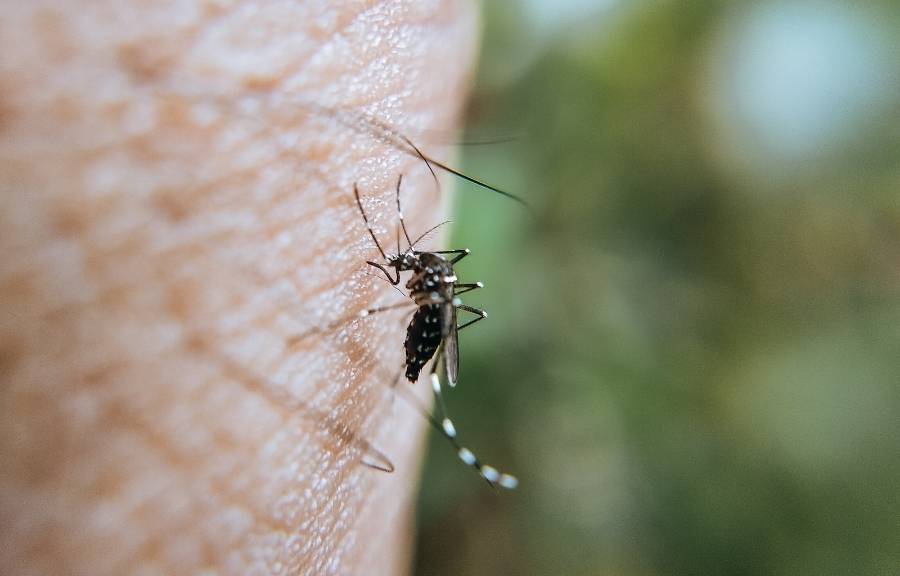
- Aedes species (including the Asian tiger mosquito) — aggressive daytime biters that breed in small amounts of water: plant saucers, tarps, old tires, toys left in the yard. If you’re getting bitten around your ankles in full daylight under a shade tree, this is usually the culprit.
The Property Conditions That Keep Bringing Mosquitoes Back
A lot of Conroe subdivisions back up to greenbelts, drainage easements, or wooded lots near the Sam Houston National Forest — and that tree cover holds humidity and shade mosquitoes rely on during the heat of the day. Add an irrigation system that overwaters a flower bed, a low spot in the yard that never quite dries out, or a gutter that’s overdue for cleaning, and a property can be re-seeding its own mosquito population every 7-10 days without anyone realizing it.
What Actually Reduces Mosquito Populations (vs. What Just Repels Them for an Evening)
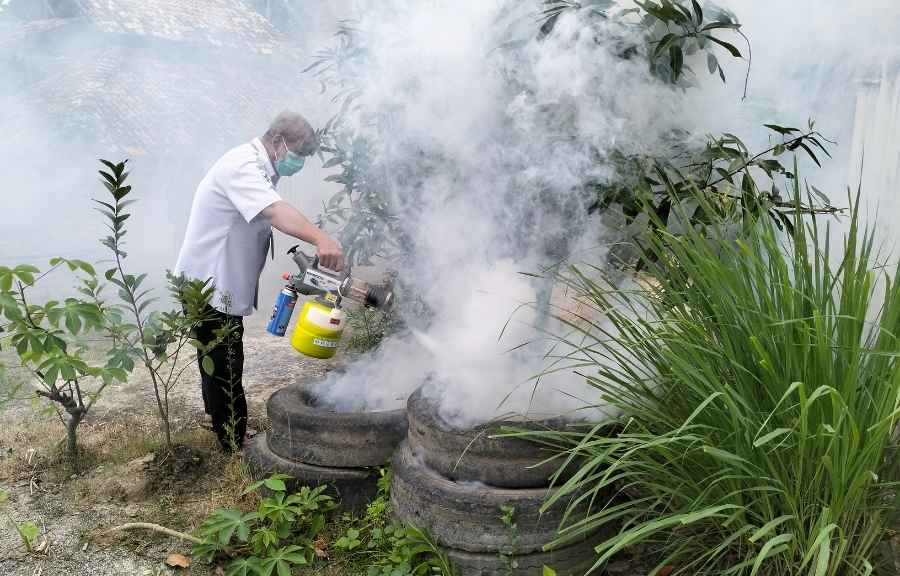
Citronella candles, foggers, and store-bought sprays can knock down or repel adult mosquitoes for an hour or two, but they don’t touch the eggs and larvae already developing in standing water on the property — so the population bounces right back. A real reduction program works in layers:
- Source reduction — identifying and eliminating the standing water on and around a property that’s actually producing new mosquitoes.
- Larviciding — treating water sources that can’t be removed (drainage areas, ornamental ponds) so eggs never mature into biting adults.
- Barrier (adult) treatment — an EPA-labeled residual application to shaded vegetation, fence lines, and resting areas where adult mosquitoes hide during the day, which keeps knocking down new arrivals for weeks after the visit.