Rodent Control in Conroe, TX
Rat and mouse removal, exclusion, and prevention for Conroe homes.
Rats and mice in Conroe don’t just show up in the fall like the old rule of thumb says — with mild winters and so many homes backing up to woods, greenbelts, or drainage easements, rodents move indoors any time it gets hot, dry, or a food source runs low outside. If you’re hearing scratching in the attic at night or finding droppings in a pantry, the earlier it’s addressed the less damage — and cost — it turns into.
This guide covers the rodents actually common in Montgomery County, why Conroe properties are exposed to them almost year-round, how to tell a rodent problem from other attic noises, and what a real exclusion-based treatment plan looks like versus just setting a few traps.

Why Conroe Homes Are Exposed to Rodents Nearly Year-Round
Rats and mice are driven indoors by the same three things everywhere — food, water, and shelter — but Conroe’s growth pattern makes all three easy to find:
- Rapid new construction on former forest and farmland means rodent populations that once lived in the woods are being displaced directly into new subdivisions, often before landscaping and exclusion work is even finished.
- Mild winters rarely force a die-off the way a hard freeze does farther north, so roof rats and mice can breed multiple times a year instead of pausing through the cold months.
- Homes near Lake Conroe, the San Jacinto River bottoms, or any greenbelt lot have a built-in outdoor rodent population living nearby at all times, looking for the next opportunity to get inside.
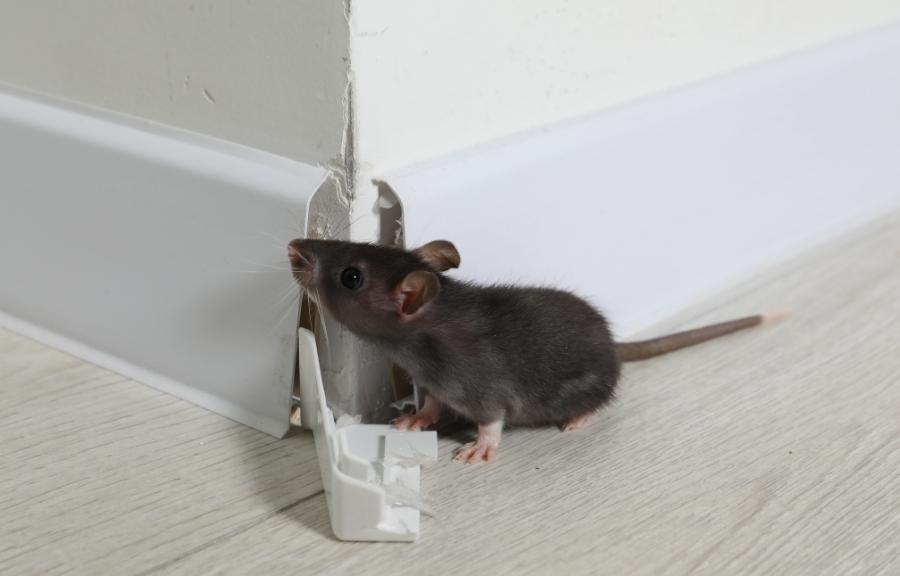
Roof Rats vs. Norway Rats vs. House Mice — What’s Actually in Conroe
Identifying the species matters because it changes where they nest and how they get in:
- Roof rats are the most common rodent issue in Conroe’s newer subdivisions. They’re excellent climbers, nest in attics and soffits, and are drawn to citrus trees, palms, and dense landscaping that gives them a highway to the roofline.
- Norway rats are heavier-bodied burrowers, more likely found near foundations, woodpiles, or under sheds, and more common on properties closer to drainage ditches or the water.
- House mice need only a gap about the width of a pencil to get inside, and are the most likely rodent to be found in a garage, kitchen, or wall void of an older Conroe home.

Signs You Actually Have a Rodent Problem (Not Just Noise)
A few things separate a real infestation from a one-time visitor:
- Grease marks or dark smudges along the same path on a wall, beam, or attic rafter — rodents reuse the same routes constantly.
- Fresh droppings in a pantry, garage corner, or attic insulation (older droppings dry out and turn gray; fresh ones are darker and slightly soft).
- Scratching or scurrying sounds concentrated at night, especially right after dusk, when rats and mice are most active.
- Chewed wiring, insulation pulled into piles, or a sudden, unexplained pest-control-worthy smell coming from an attic or wall cavity.
Why Traps Alone Usually Don’t Solve the Problem
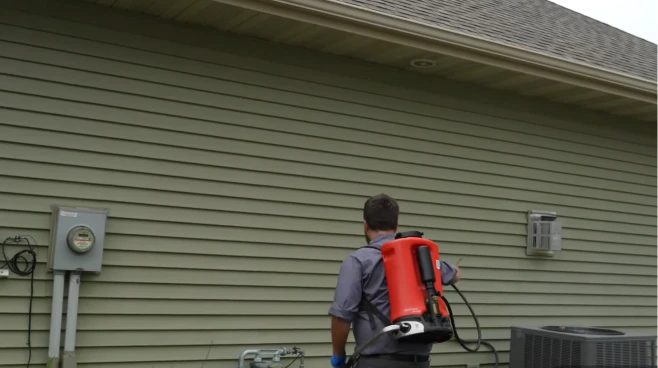
Store-bought traps can remove the rodents that are already inside, but if the entry points they used to get in are never sealed, more will follow the same scent trail within weeks. A proper rodent program in Conroe combines three things: identifying and sealing the actual entry points (vents, roofline gaps, plumbing penetrations, garage door corners), removing the rodents currently inside through trapping or targeted baiting, and a follow-up check to confirm the exclusion work is actually holding.